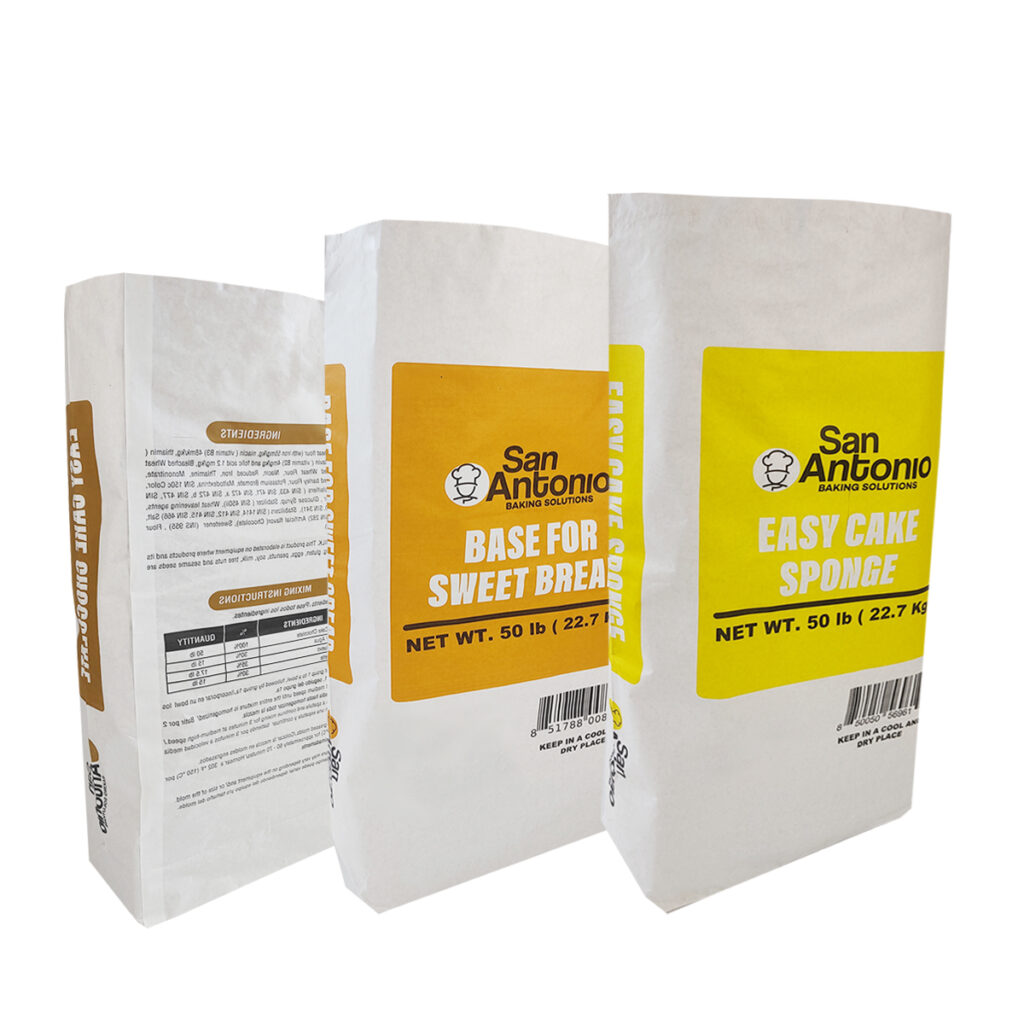
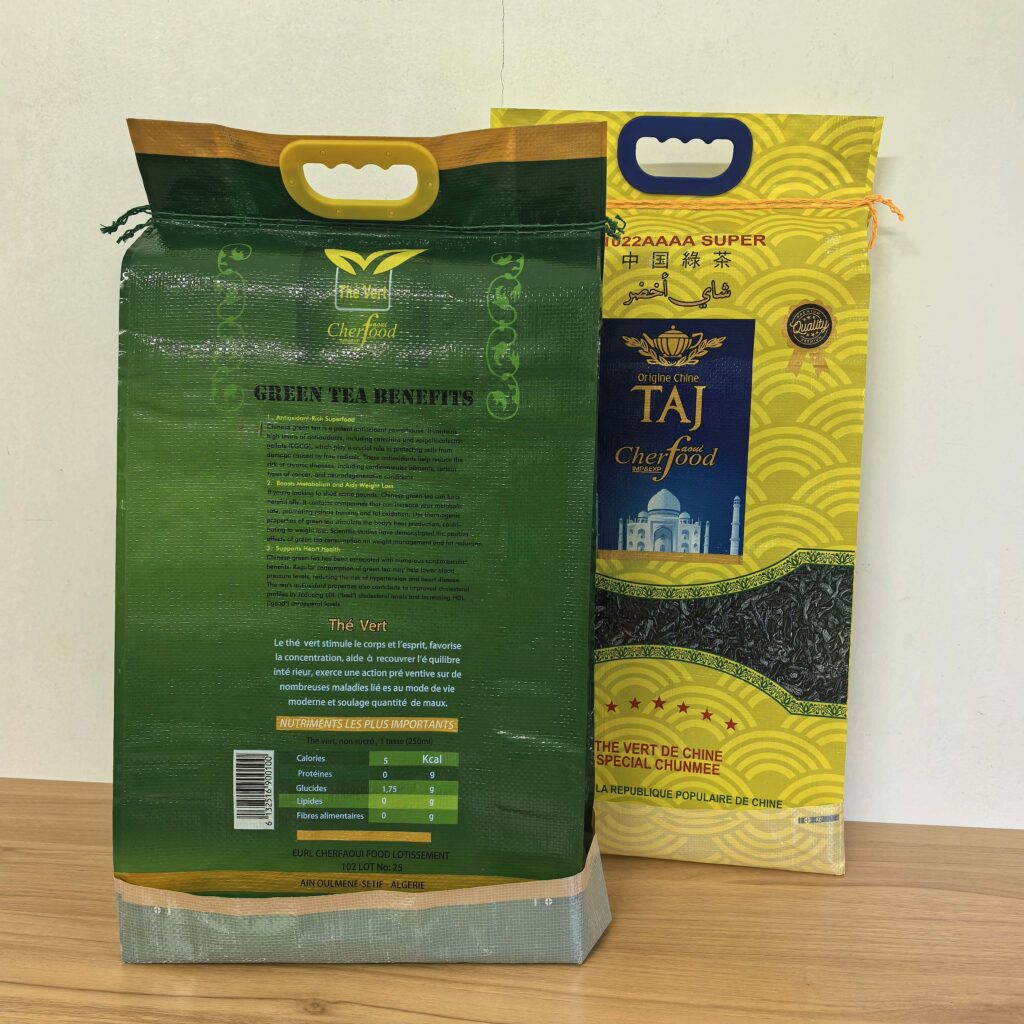
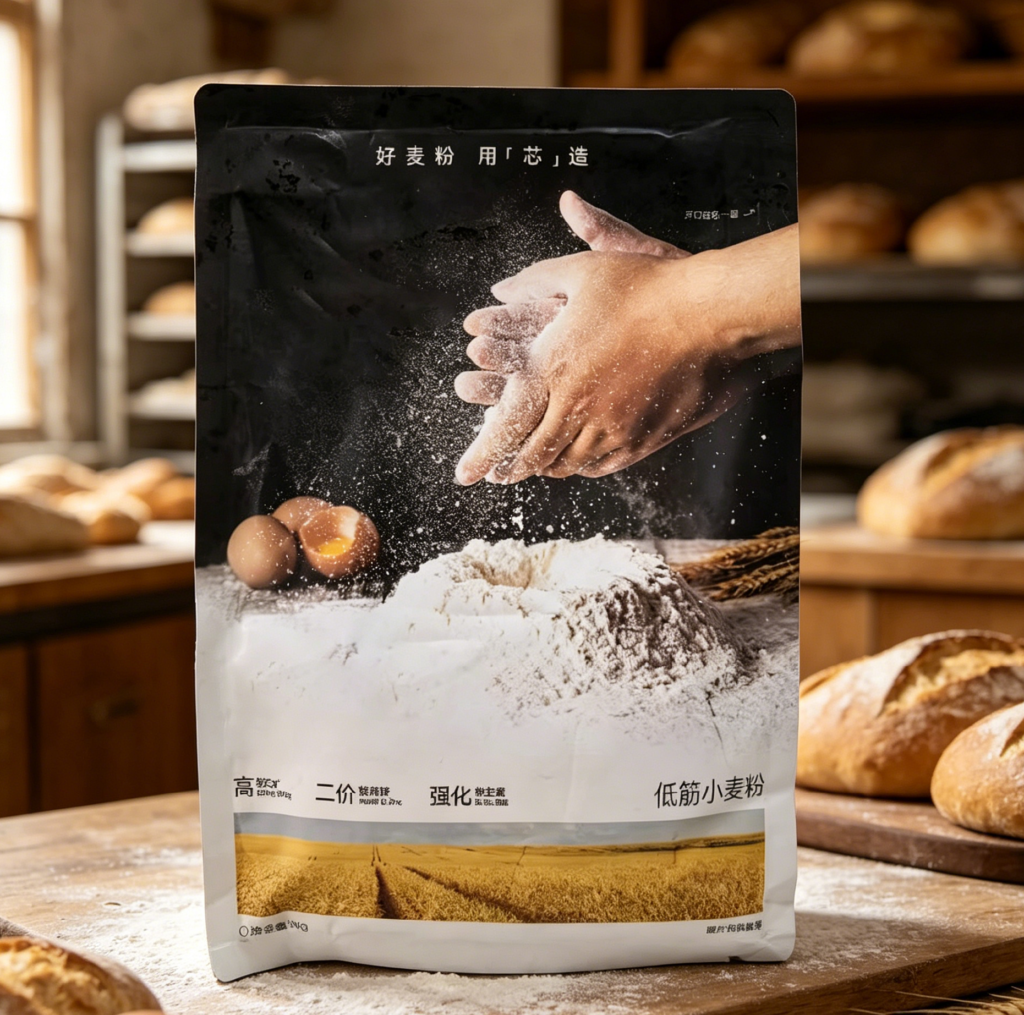
When purchasing flour sack in bulk, many B2B buyers (including flour mills, food distributors, and export traders) often find that the quotations from different suppliers vary greatly, and they are confused about the reasons for the price difference.
In fact, the price of flour sack is not random, but is determined by a variety of core factors. Below we summarize 6 key factors that affect the quotation of flour bags, helping you understand the pricing logic, make a reasonable purchasing budget, and avoid overpaying or buying low-quality products.
1. Raw Material Quality
Raw material is the foundation of flour sack, and its quality directly determines the price and performance of the bags. New food-grade raw materials (such as new virgin PP, food-grade PE, and high-quality kraft paper) are much more expensive than recycled materials, because they have better safety, strength and durability. In addition, the thickness and gram weight of the material also affect the price—thicker materials have higher consumption per bag, so the unit price will be higher.
For example, a 50kg PP woven bag made of 80g/m² material is more expensive than one made of 60g/m² material, but it is more tear-resistant and durable during transportation.
2. Bag Size & Weight & Loading Capacity
The size and load-bearing capacity of flour sack directly affect the consumption of raw materials, thus affecting the quotation. Common flour bag specifications in the market are 1kg, 2kg, 5kg, 10kg, 25kg and 50kg. Larger size and heavier load-bearing bags require more materials and thicker material thickness to ensure stability and durability.
For example, a 50kg bulk flour sack uses much more material than a 5kg retail bag, so its unit price is higher. In addition, non-standard sizes customized according to special needs will also increase the price, because they need to adjust the production mold and process.
3. Printing & Colors
Printing is an important part that affects the cost of flour sack. The more printing colors, the more complex the pattern, and the higher the printing cost.
For example, a 1-color simple logo printing is much cheaper than a 4-color full-color complex pattern printing. In addition, the choice of printing process also affects the price—gravure printing is more expensive than flexo printing. Moreover, special printing requirements such as anti-counterfeit printing, matte/glossy coating, and embossing will also add extra production costs, thus increasing the final quotation.
4. Order Quantity
Order quantity is one of the key factors affecting the unit price of flour sack. Large-batch orders can enjoy a lower unit price, because the fixed costs such as plate making, machine setup and labor can be evenly distributed to each bag.
For example, if you order 100,000 bags, the unit price may be 15%-20% lower than ordering 10,000 bags. On the contrary, small MOQ (minimum order quantity) custom orders have higher unit prices, because the fixed production cost cannot be effectively shared. Therefore, it is more cost-effective for buyers with stable demand to place large-batch orders.
5. Structure & Special Function
The structure of the flour sack and special functional requirements will also increase the production process and cost, thus affecting the quotation.
For example, adding a waterproof inner film, sealed zipper, easy-to-tear notch, anti-slip design, or moisture-proof and breathable structure all requires additional processes and materials. In addition, special structures such as square bottom bags (which are more stable for stacking) are more expensive than ordinary heat sealed bottom bags. For export flour sack, adding anti-counterfeit labels or complying with special packaging structures of the importing country will also increase the cost.
6. Production Process & Custom Requirement
Special production processes and custom requirements will also affect the final price of flour sack.
For example, surface treatment such as matte or glossy coating can improve the appearance grade of the bag, but it will increase the production cost. Customized bottom structures, punching handles, or special food grade certification (such as FDA, EU food grade certification) inspection also require additional time and cost. In addition, if the buyer requires a shorter delivery time, the supplier may need to arrange overtime production, which will also lead to a higher quotation.
Buying Tip to get a precise and reasonable quotation from the supplier, you need to clearly provide the following information: the type of flour sack (PP woven, kraft paper composite, PE, etc.), specific size and load-bearing capacity, printing colors and patterns, order quantity, special functional requirements (waterproof, sealed, etc.), and delivery time. This can help the supplier calculate the cost accurately and avoid unnecessary price differences and misunderstandings.
Welcome to contact us for more!